
Discover a structured path to stronger, leaner muscles and improved stamina—all within your living space. The program blends body‑weight moves, resistance bands, and simple household items, guiding you through progressive sets, rest intervals, and daily focus areas for lasting results. Sessions fit lives, keeping progress steady.
Purpose of the PDF and Expected Outcomes
The 90‑Day Home Workout Plan PDF is a comprehensive, evidence‑based guide that empowers you to sculpt a stronger, leaner physique entirely from the comfort of your living space. Inspired by Tony Horton’s groundbreaking P90X methodology, the plan focuses on a clear, progressive structure rather than expensive equipment, proving that extreme results can be achieved with minimal gear. The PDF details a daily routine that balances strength, cardio, and flexibility, ensuring each muscle group receives targeted work while allowing adequate recovery. By following the program’s step‑by‑step progression, beginners can safely build foundational strength, whereas intermediate and advanced users can increase intensity, volume, and resistance to challenge their limits. Expected outcomes include measurable gains in muscular endurance, improved cardiovascular capacity, and noticeable changes in body composition—such as reduced body fat and increased lean muscle mass—within the first 30 days, with continued refinement over the full 90‑day cycle. Additionally, users will develop a heightened awareness of proper form, breathing techniques, and injury prevention strategies, fostering sustainable long‑term fitness habits. The plan also emphasizes the psychological benefits of consistent movement, such as enhanced mood, better sleep quality, and elevated daily energy levels. By integrating these elements, the PDF creates a holistic framework that not only transforms your body but also supports overall well‑being, making the journey to fitness both effective and enjoyable. The PDF includes brief nutrition guidance, suggesting balanced macronutrient ratios and meal timing that complement the training load. A simple progress log sheet lets you track sets, reps, and effort, fine‑tuning intensity and preventing plateaus. Optional digital tools and community forums add motivation, turning your workout journey into a supportive network. Enjoy!!

Core Components of the Plan
Three pillars drive success: a rotating circuit of body‑weight, band, and household‑item exercises; a weekly progression chart that ramps intensity; and a recovery protocol featuring active rest, mobility drills, and sleep hygiene. Together, they form a balanced, scalable routine.
Exercise Categories and Daily Structure
Our 90‑day plan is organized around three core exercise categories—cardio bursts, strength circuits, and flexibility work—each mapped to a daily schedule that balances volume and recovery. Every week follows a 5‑day cycle: Monday through Friday feature alternating focus days, while Saturday is a light active‑recovery session and Sunday is a full rest day. Within each focus day, the routine is split into a warm‑up, a main set, and a cooldown. The warm‑up consists of 5 minutes of dynamic mobility drills (arm circles, leg swings, hip rotations) to elevate heart rate and prepare joints. The main set follows a circuit format: 3–4 rounds of 12–15 repetitions for each exercise, with 30–45 seconds of rest between rounds. Cardio days prioritize high‑intensity interval training (HIIT) using body‑weight moves such as burpees, mountain climbers, and squat jumps, while strength days incorporate resistance bands and household items (water bottles, backpacks) for exercises like band rows, weighted squats, and single‑leg deadlifts. Flexibility days focus on yoga‑style flows and static stretches, targeting all major muscle groups. Progression is built into the structure by adding either an extra round, increasing resistance, or shortening rest intervals each week. The plan also includes a “Progress Check” every fourth week, where you repeat a baseline test (e.g., 1‑minute plank, 20‑second wall sit) to quantify gains. By the end of 90 days, the cumulative structure ensures balanced development, reduced injury risk, and sustainable habit formation. Participants are encouraged to keep a brief log of perceived exertion after each session, using a 1–10 scale, to fine‑tune intensity. The PDF also supplies a printable template for logging reps, sets, and rest times, ensuring accountability. Additionally, a weekly theme—such as “Core Strength” or “Lower‑Body Power”—helps maintain focus and motivation throughout the program.

Weekly Progression and Pacing
Each week escalates load by 5–10% or adds a set, while rest days stay constant. Progress is tracked via weekly benchmarks—max reps, time, or perceived effort—ensuring steady gains without overtraining. The plan balances intensity with recovery, keeping motivation high.!!
Intensity Gradation and Volume Management
In a 90‑day home program, intensity is carefully stepped up to avoid plateaus while still driving adaptation. The first four weeks focus on mastering form and establishing a baseline volume—typically 3–4 sets of 12–15 reps for each major movement. From week five onward, the plan introduces a 5% increase in either resistance (via thicker bands or added household weight) or rep count, while keeping rest intervals consistent at 60–90 seconds.
Volume is controlled by a week‑to‑week “load” metric: total reps multiplied by the resistance factor. This metric caps at 1,200 reps per session in week eight, then drops by 10% in week nine to allow the body to consolidate gains. The final two weeks shift focus to peak endurance, adding supersets and circuit style work that keeps heart rate elevated without excessive fatigue.
Progression is monitored through a simple log—tracking the highest rep set, perceived exertion, and any joint discomfort. If a set falls below 90% of the target, the program automatically reduces the load or adds a rest day. This dynamic adjustment ensures that each workout remains challenging yet safe, preventing injury while maximizing muscle stimulus across the 90‑day span.
Throughout the 90‑day cycle, the load progression is anchored to measurable outcomes: a 5% increase in total work or a 2% lift in resistance each week. This systematic scaling keeps the stimulus progressive while allowing the nervous system to adapt. Consistent tracking ensures that each session pushes the body toward its next plateau.

Recovery Strategies and Rest Days
Recovery is the engine that turns effort into progress. In a 90‑day home plan, rest days are scheduled every third workout day, creating a 2‑day workout, 1‑day rest rhythm that balances stimulus and repair. These rest days also allow for mental recovery and prevent burnout.
Active recovery protocols are built into the plan: 15‑minute yoga flows or 20‑minute low‑intensity cardio sessions that elevate heart rate. These sessions also aid in clearing metabolic waste, reducing DOMS and preparing the body for the next training block. They also help maintain a higher training frequency.
Sleep hygiene is emphasized, with a target of 7–9 hours per night. The PDF includes a sleep tracker template and tips such as limiting blue light exposure an hour before bed, maintaining a cool room temperature, and practicing a brief pre‑sleep wind‑down routine. Adequate sleep supports hormonal balance and glycogen replenishment. Consistent sleep patterns improve mood and focus.
Nutrition timing complements rest: a protein‑rich snack within 30 minutes post‑workout supports muscle repair, while a carbohydrate‑protein mix before bed fuels overnight glycogen synthesis. The plan recommends an extra rest day if needed, keeping the body on a steady improvement path. Staying hydrated during workouts also supports recovery.

Finally, the PDF encourages self‑monitoring of recovery status via a simple scale: 1 (poor) to 10 (excellent). If scores dip below 5, the program suggests an extra rest day. Tracking these metrics helps adjust training load over time.
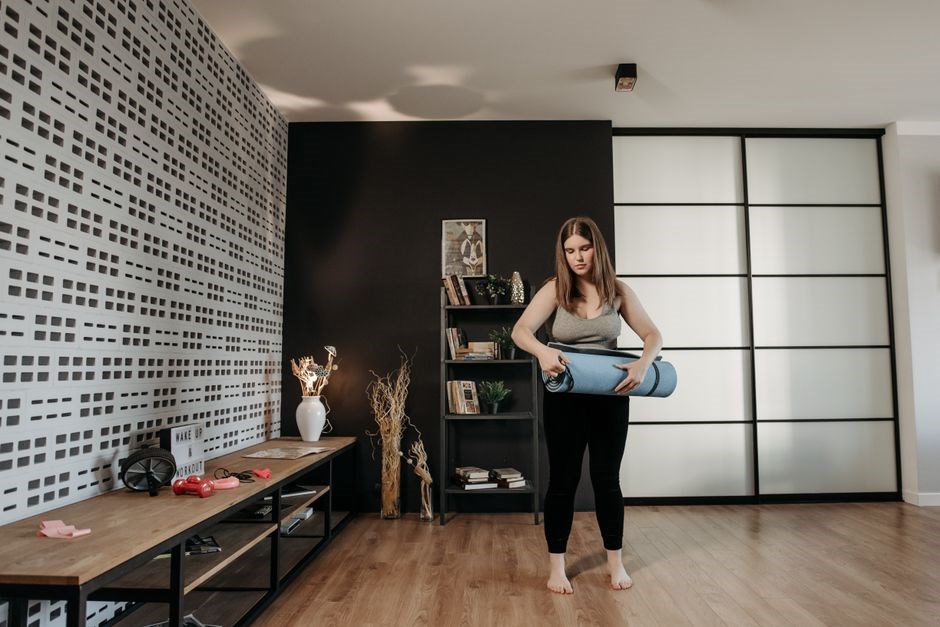
Exercise Selection and Modifications
Choose moves that fit your space: push‑ups, squats, lunges, and band rows. For beginners, use wall‑push‑ups or chair‑squats; advanced users add plyometrics or single‑leg variations; Swap a towel for a resistance band, or a backpack for added weight. Adjust reps and sets to match your progress. Tailor intensity.
Bodyweight, Resistance Bands, and Household Items
Bodyweight exercises form the backbone of the 90‑day plan, allowing you to build strength, endurance, and joint stability without equipment. Classic moves—push‑ups, squats, lunges, planks, and glute bridges—adapt for all levels. Beginners start with knee‑push‑ups, wall‑squats, and chair‑lunges; advanced trainees progress to decline push‑ups, pistol squats, and single‑leg glute bridges. Each movement pairs with a progression chart that specifies rep ranges, sets, and tempo, ensuring steady gains while preventing overtraining.
Resistance bands add variable resistance that targets muscle groups more effectively than free weights. The plan uses three band types—light, medium, heavy—each for different exercises. A light band works for glute bridges; a medium band for rows and lateral walks; a heavy band for squats and pull‑ups. Bands also increase load on bodyweight movements, like adding a band to a push‑up for extra tension or wrapping a band around ankles during a squat.
Household items become functional tools that mimic gym equipment. A sturdy backpack filled with books or water bottles replaces dumbbells for rows, curls, and presses. A rolled‑up towel or yoga mat serves as a bench for triceps dips or incline push‑ups. A sturdy chair or low table works for step‑ups, Bulgarian split squats, or triceps extensions. Even a set of bands tied to a door handle turns a doorway into a pull‑up station. Repurposing everyday objects eliminates the need for a dedicated gym space while delivering a full‑body workout.
Safety and progression are emphasized throughout. Each exercise includes a modification list, a progression path, and a built‑in cue for form. For example, a standard plank can become a forearm or side plank, then progress to a plank with leg lifts or shoulder taps. The program also adds warm‑up circuits, mobility drills, and cool‑down stretches to reduce injury risk. Integrating bodyweight, bands, and household items, the 90‑day plan offers a flexible, scalable, effective training solution for any home environment.
Safety Precautions and Injury Prevention
Safety is paramount in any workout program, especially when exercising at home without supervision. The 90‑day plan incorporates several layers of protection: a comprehensive warm‑up, proper technique cues, progressive overload, and active recovery. Begin each session with 5–10 minutes of joint mobility and dynamic stretches—arm circles, hip openers, and leg swings—to prepare muscles and ligaments; Follow with light cardio, such as marching in place or a brisk walk, to elevate heart rate gradually.
Technique is the cornerstone of injury prevention. Every movement includes a step‑by‑step guide with visual cues, common mistakes to avoid, and a “check‑list” for form. For example, during a squat, the back should remain neutral, knees tracking over toes, and hips pushing back. If you feel any pain in the knees or lower back, pause and reassess. The plan also offers modifications for beginners or those with mobility constraints, ensuring that each exercise remains within a safe range of motion.

Progressive overload is applied cautiously. The program increases volume or resistance in small increments—typically 5–10%—every two weeks. This gradual escalation allows tissues to adapt, reducing the risk of strains or tears. Additionally, the plan incorporates “deload” weeks every fourth week, where intensity and volume are reduced by 30–40% to facilitate recovery.
Recovery strategies are integral. After each workout, perform static stretches targeting major muscle groups, holding each stretch for 20–30 seconds. Incorporate foam rolling or self‑massage to relieve muscle tightness. Adequate sleep (7–9 hours) and hydration (at least 2 liters of water daily) support tissue repair and overall performance.
Finally, listen to your body. Persistent pain, swelling, or unusual fatigue signals the need to rest or seek professional evaluation. The plan encourages daily self‑assessment, using a simple pain scale and noting any discomfort. By integrating these safety measures, the 90‑day home workout plan empowers users to train effectively while minimizing injury risk.

Nutrition and Supplement Guidance
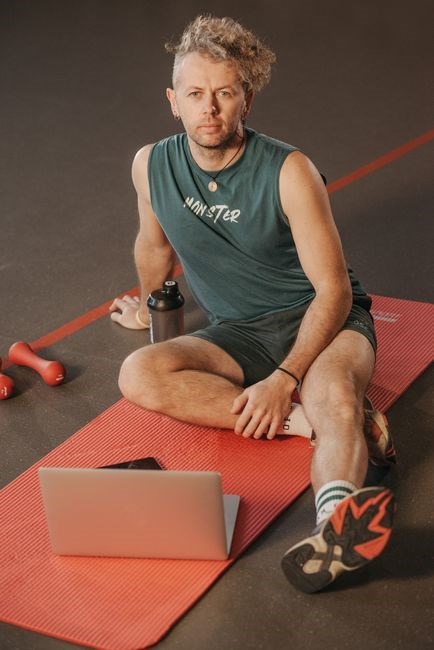
Fuel your 90‑day plan with balanced macros: 30% protein, 40% carbs, 30% fats. Eat 5–6 small meals, hydrate 2–3 L daily. Prioritize whole foods, lean meats, veggies, and complex carbs. Supplements like whey, BCAAs, and a multivitamin support recovery and energy. Aim 1.5g protein and adjust carbs on training day
Macronutrient Targets and Meal Timing
For a 90‑day home workout plan, precision in macros and timing fuels progress. Aim for a 30‑40‑30 split: 30 % protein, 40 % carbohydrates, 30 % healthy fats. Adjust based on body weight and goals—leaner muscle mass may call for 1.2–1.5 g protein per kilogram, while fat loss can lean toward 0.8–1.0 g per kilogram. Carbohydrate timing is critical: consume 30–50 g before workouts to sustain energy, and 30–60 g post‑exercise to replenish glycogen and support recovery. A balanced meal 2–3 hours before training should include lean protein, complex carbs, and a moderate fat source. Post‑workout nutrition should focus on protein (20–30 g) and simple carbs (25–35 g) within the first 30 minutes to trigger muscle protein synthesis. Throughout the day, spread protein intake into 4–5 meals to maintain a positive nitrogen balance. Hydration is equally vital—aim for 3–4 L of water daily, increasing during intense sessions. If supplements are used, a whey protein shake post‑workout and a multivitamin can fill gaps. Consistency in macro adherence and meal timing will maximize strength gains and fat loss while preventing plateaus.
Sample daily schedule: Breakfast at 7 am—oatmeal with whey, berries, and almond butter. Mid‑morning snack at 10 am—Greek yogurt. Lunch at 12 pm—grilled chicken, quinoa, broccoli. Pre‑workout at 3 pm—a banana and protein shake. Post‑workout at 4 pm—protein shake with creatine and almonds. Dinner at 7 pm—salmon, sweet potato, greens. Evening snack at 9 pm—cottage cheese. This keeps glucose stable and supports recovery. Add a 20‑minute walk after dinner for gut OK!!

Tracking, Motivation, and Resources
Track progress with a simple log: date, workout, reps, notes. Use a phone app or spreadsheet to visualize trends. Celebrate milestones—4 weeks, reward yourself with a playlist or a healthy treat. Stay motivated by sharing updates on social media or a group! Track consistency
Progress Journaling and Digital Tools
Keeping a daily log is the cornerstone of any successful 90‑day plan. Record the date, workout type, sets, reps, and perceived effort. A simple table in a spreadsheet or a dedicated fitness app can automatically calculate totals and highlight trends. When you see a gradual rise in volume or a drop in perceived exertion, you’re building strength and endurance. Use color coding—green for goals met, yellow for near‑misses, red for setbacks—to keep focus sharp. Add a brief note on mood, sleep quality, or any aches; this contextual data helps you adjust intensity before injuries occur.
Digital tools elevate consistency. Choose an app that syncs with wearable devices to pull heart‑rate data, step counts, and active minutes. Many platforms allow you to set reminders, track macros, and even share progress with a coach or accountability partner. If you prefer a more hands‑on approach, a printable PDF checklist can be printed weekly and checked off, giving a satisfying tactile sense of completion. For those who enjoy community, join a private group on social media where members post weekly updates, swap tips, and celebrate milestones.
Remember, the goal of journaling isn’t just data collection—it’s reflection. At the end of each week, review what worked, what didn’t, and why. Adjust the next week’s plan accordingly. Celebrate small wins: a new personal best, a day you stuck to the schedule, or a noticeable change in how you feel. By combining structured logging with real‑time digital feedback, you create a feedback loop that keeps motivation high and results measurable. Keep!!!
FAQ and Common Pitfalls
Q1: How often should I work out? A: Three to five sessions per week, alternating high‑intensity and recovery days.
Q2: Can I skip rest days? A: Rest is essential; skipping can lead to overtraining and injury;
Q3: What if I lack equipment? A: Use resistance bands, water bottles, or sturdy chairs to add resistance.
Q4: How do I avoid plateaus? A: Gradually increase reps, add sets, or shorten rest intervals every two weeks.
Q5: Should I track macros? A: Yes—aim for a balanced intake of protein, carbs, and healthy fats to fuel workouts.
Common Pitfall 1: Neglecting warm‑ups—always spend 5–10 minutes mobilizing joints.
Common Pitfall 2: Focusing only on cardio—balance with strength to preserve muscle mass.
Common Pitfall 3: Ignoring form—poor technique causes strain; use mirrors or video feedback.
Common Pitfall 4: Over‑emphasis on results—listen to your body and adjust intensity.
Common Pitfall 5: Skipping hydration—drink water before, during, and after sessions.
Q6: How can I stay motivated? A: Set micro‑goals, track progress visually, and reward yourself with non‑food treats.
Common Pitfall 6: Skipping warm‑ups—always begin with dynamic stretches to reduce injury risk.
Q7: Can I modify exercises for lower back pain? A: Yes—focus on glute bridges, planks, and avoid heavy squats or deadlifts.
Common Pitfall 7: Over‑reliance on supplements—nutrition should come first; supplements only fill gaps.
Now listen to your body; if pain, see a doctor.!!
Write Reviews
Leave a Comment
No Comments & Reviews