
Zone 10a Planting Guide: A Comprehensive Overview
Zone 10a offers a remarkably long growing season, enabling year-round gardening opportunities with a last frost date typically before January 30th, fostering continuous production!
This comprehensive guide details a 100-page planning system, specifically designed for maximizing your frost-free harvest throughout the entire year, ensuring gardening success.
Understanding Zone 10a
Zone 10a represents a unique microclimate within the USDA plant hardiness zone map, characterized by minimal frost risk and a prolonged growing season. This advantageous condition allows gardeners to cultivate a diverse range of plants, extending far beyond the typical limitations of colder regions.
Successfully navigating Zone 10a gardening requires understanding its specific nuances. Pairing this overview with personal experience, local knowledge, and diligent record-keeping will establish a robust annual gardening calendar. The extended warmth facilitates continuous production, but also demands attention to heat-tolerant varieties and appropriate watering strategies.
Effective planning is crucial, leveraging the long season for succession planting and maximizing yields. Utilizing resources like free planting guides, customized to your location based on frost dates, will further enhance your gardening endeavors.
What Defines Zone 10a?
Zone 10a is geographically defined as areas experiencing minimum average annual winter temperatures between 30°F and 35°F (-1.1°C to 1.7°C). This places it within the broader Zone 10, but distinguishes it with slightly cooler winter lows compared to Zone 10b. This subtle difference significantly impacts plant selection and potential growing strategies.
The defining characteristic of Zone 10a is its frost-free or nearly frost-free environment. The last expected frost typically occurs before January 30th, creating a remarkably long growing window. This allows for multiple plantings throughout the year, and the cultivation of plants that would struggle or perish in colder climates.
Understanding these temperature parameters is fundamental for successful gardening, enabling informed decisions about which plants will thrive and when to initiate planting schedules.
Average Temperatures in Zone 10a
Zone 10a experiences mild winters and warm to hot summers, creating a unique thermal profile. Average daily high temperatures during the summer months (June-August) typically range from 85°F to 95°F (29°C to 35°C), occasionally exceeding these values. Humidity can also be a significant factor during this period.
Winter temperatures, while mild, generally see average daily highs between 65°F and 75°F (18°C to 24°C). Nighttime lows rarely dip below 30°F to 35°F (-1.1°C to 1.7°C), though occasional brief frosts are possible. This consistent warmth allows for year-round gardening opportunities;
These temperature averages are crucial for determining appropriate planting times and selecting plants suited to the zone’s climate, maximizing growth and yield throughout the year.

Vegetable Planting in Zone 10a
Zone 10a’s extended growing season allows for continuous vegetable harvests, offering multiple planting windows for diverse crops throughout the year, maximizing garden productivity!
Best Vegetables to Grow
Zone 10a’s warm climate is exceptionally well-suited for a wide array of vegetables, allowing gardeners to enjoy bountiful harvests nearly year-round. Consider heat-tolerant options like tomatoes, peppers, and eggplants, which thrive in the extended growing season. Leafy greens such as spinach, lettuce, and kale can be grown during cooler months, providing fresh salads throughout the winter.
Root vegetables like carrots, radishes, and beets also perform admirably in Zone 10a, benefiting from the mild temperatures. Don’t overlook the potential for growing beans, cucumbers, and squash during the warmer periods. Experiment with tropical vegetables like okra and sweet potatoes for a unique and rewarding gardening experience. Careful planning and succession planting will ensure a continuous supply of fresh, homegrown produce.
Cool-Season Vegetable Planting Schedule
For Zone 10a, cool-season vegetables benefit from planting during the milder months. January ⏤ February is ideal for starting seeds indoors for broccoli, cabbage, and cauliflower, transplanting them outdoors in late February. Leafy greens like spinach, lettuce, and kale can be directly sown in the garden during this period, ensuring a continuous harvest. Radishes and carrots also thrive with early planting.
March ⏤ April offers a second window for cool-season crops. Continue sowing leafy greens and root vegetables. Peas and early varieties of beans can be planted directly in the garden. Consider starting seedlings of summer vegetables indoors to prepare for warmer weather. Monitor temperatures and protect plants from unexpected late frosts with row covers.
January ー February Planting
January and February in Zone 10a are prime times for initiating cool-season vegetable gardens. Begin sowing seeds indoors for broccoli, cabbage, and cauliflower, anticipating transplanting them outdoors as the soil warms slightly in late February. Direct sowing of hardy leafy greens like spinach, kale, and various lettuce varieties is highly successful during these months, providing early harvests.
Root vegetables such as radishes and carrots also flourish when planted directly in the garden now. Consider planting peas towards the end of February. Consistent moisture is key, and light frost protection, using row covers, may be necessary during occasional cold snaps. This early start maximizes your growing season!
March ⏤ April Planting
March and April represent a transition period in Zone 10a, allowing for expanded planting options. Continue sowing cool-season crops like lettuce and spinach for succession planting, ensuring a continuous harvest. Warm-season vegetables can now be introduced, starting with tomatoes, peppers, and eggplants – transplanting seedlings started indoors is ideal.
Beans, cucumbers, and squash can be directly sown into the garden as soil temperatures consistently rise. Root vegetables like beets and turnips also thrive during this period. Monitor for pests as the weather warms. Consistent watering remains crucial, especially for newly transplanted seedlings. This period sets the stage for a bountiful summer harvest!
Warm-Season Vegetable Planting Schedule
Zone 10a’s extended warmth allows for a prolonged warm-season growing period. May and June are prime for planting heat-loving vegetables like tomatoes, peppers, eggplants, and various squash varieties. Direct sow beans, corn, and cucumbers after the last risk of cooler temperatures passes. Watermelons and cantaloupe also flourish when planted during this time.
July and August offer a second opportunity for warm-season crops, enabling succession planting for a continuous harvest. Consider heat-tolerant varieties to withstand potential high temperatures. Continue monitoring for pests and diseases, providing adequate water and mulch to maintain soil moisture. This schedule maximizes your yield throughout the warmer months!
May ⏤ June Planting
May and June represent the peak of the warm-season planting window in Zone 10a. This is the ideal time to start tomatoes, peppers (bell, chili, and sweet varieties), and eggplants, either from seedlings or direct sowing. Squash, zucchini, and pumpkins also thrive when planted now, offering abundant summer harvests.
Beans (bush and pole), corn, and cucumbers benefit from the warming soil. Watermelons and cantaloupe require consistent warmth, making late May to early June perfect for planting. Ensure adequate spacing and consistent watering. Monitor for pests like aphids and squash bugs. Mulching helps retain moisture and suppress weeds, contributing to healthy growth and bountiful yields throughout the summer months.
July ー August Planting
July and August in Zone 10a allow for a second planting of warm-season crops, extending the harvest into fall and winter. Consider succession planting beans, corn, and squash for a continuous supply. Heat-tolerant tomato varieties can still be successfully planted, providing a late-season yield.
This period is also excellent for starting seeds for fall vegetables like broccoli, cauliflower, and cabbage, to be transplanted later. Carrots and beets can be directly sown; Pay close attention to watering during these hot months, and provide shade if necessary. Monitor for pests and diseases, which can be more prevalent in warm, humid conditions. Mulching is crucial for moisture retention and weed control, ensuring healthy plant development.
Fruit Tree & Berry Planting in Zone 10a
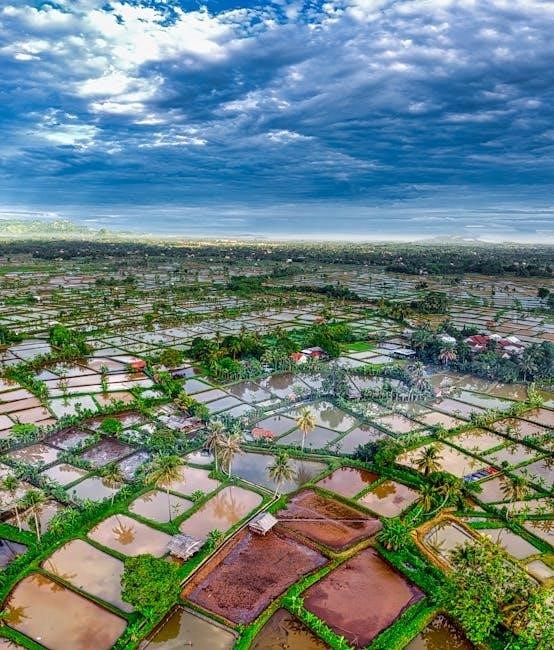
Zone 10a’s mild climate supports diverse fruit trees and berries; careful selection and planting are key to a bountiful, year-round harvest in this region!
Suitable Fruit Trees for Zone 10a
Zone 10a presents a fantastic opportunity for cultivating a wide array of fruit trees, thanks to its consistently warm temperatures and extended growing season. Consider citrus trees like oranges, grapefruits, lemons, and limes, which thrive in this climate, offering abundant harvests.
Avocado trees are also well-suited, but be mindful of cold snaps that can damage young trees. Mangoes, papayas, and guavas flourish, providing tropical flavors directly from your garden. Peach and plum varieties with low chilling hour requirements are viable options, ensuring proper fruit development.
Don’t overlook fig trees, known for their resilience and delicious fruit. When selecting trees, prioritize disease-resistant cultivars and ensure proper drainage to prevent root rot. Proper care, including regular pruning and fertilization, will maximize fruit production and tree health in your Zone 10a garden.
Berry Bush & Vine Options
Zone 10a’s warm climate is ideal for a diverse selection of berry bushes and vines, offering delicious and rewarding harvests. Blueberries, particularly Southern Highbush varieties, perform well with proper soil acidity management.
Raspberries and blackberries, especially thornless varieties, thrive, providing a continuous supply of fresh berries. Consider everbearing types for extended fruiting. Strawberries are also excellent choices, with multiple planting windows throughout the year.
For vines, grapes flourish, offering a range of varieties suited to warm climates. Passion fruit vines add a tropical touch, producing exotic and flavorful fruit. Ensure adequate support structures for climbing vines and regular pruning to maintain productivity. Proper soil preparation and consistent watering are crucial for successful berry cultivation in Zone 10a.
Planting & Care Considerations for Fruits
Successful fruit cultivation in Zone 10a demands careful attention to planting and ongoing care. Choose disease-resistant varieties suited to the warm, humid conditions. Proper soil preparation is vital; ensure good drainage and amend with organic matter.
Consistent watering, especially during dry periods, is crucial, alongside regular fertilization to support robust growth and fruit production. Pruning is essential for shaping trees, removing dead or diseased wood, and maximizing sunlight penetration.
Pest and disease monitoring are key; implement preventative measures and address issues promptly. Consider microclimate factors within your garden, providing shade or wind protection as needed. Consistent observation and proactive care will yield abundant, high-quality fruit harvests in Zone 10a’s favorable climate.

Herb Gardening in Zone 10a
Zone 10a’s warm climate is ideal for a diverse herb garden, allowing for continuous harvests of flavorful additions to culinary creations and aromatic delights!
Popular Herbs for Zone 10a Gardens
Zone 10a boasts a climate perfectly suited for a wide array of herbs, thriving year-round with minimal frost concerns. Consider incorporating rosemary, a drought-tolerant perennial, offering fragrant foliage for culinary uses and ornamental appeal. Thyme, another resilient choice, excels in well-drained soil, providing ground cover and flavorful leaves.

Basil flourishes during warmer months, delivering a sweet aroma and essential ingredient for Italian cuisine. Mint, known for its vigorous growth, requires containment to prevent spreading, but rewards with refreshing teas and culinary applications. Lavender, beloved for its calming scent and beautiful blooms, thrives in sunny, well-drained locations.
Don’t overlook oregano, a Mediterranean staple, or chives, adding a delicate onion flavor to dishes. Cilantro and parsley provide fresh, vibrant flavors, while sage offers a savory note. These herbs, combined, create a fragrant and productive garden, enhancing both your culinary experiences and outdoor space;
Herb Planting Timeline
Zone 10a’s mild climate allows for nearly year-round herb planting, but strategic timing maximizes growth. January-February is ideal for starting rosemary, thyme, and sage from seeds or cuttings, benefiting from cooler temperatures. March-April welcomes lavender, oregano, and mint, establishing them before the warmer months.
As temperatures rise, May-June is perfect for sowing basil, cilantro, and parsley, ensuring a bountiful summer harvest. July-August allows for succession planting of basil and cilantro, extending the supply. Consider starting new chive divisions throughout the year for continuous availability.
Mint benefits from spring or fall planting, while lavender prefers early spring. Regularly check local frost advisories, though minimal, to protect tender herbs. Consistent watering and well-drained soil are crucial for success, regardless of the planting season, ensuring a thriving herb garden.

Soil Preparation & Amendments
Zone 10a soils vary, but often benefit from organic matter additions like compost to improve drainage, fertility, and overall soil health for optimal plant growth.
Soil Types Common in Zone 10a
Zone 10a exhibits diverse soil profiles, largely influenced by regional geology and past land use. Predominantly, gardeners encounter sandy soils, particularly near coastal areas, characterized by excellent drainage but often poor nutrient retention. These soils warm quickly in spring, extending the growing season, but require frequent irrigation and amendment.
Further inland, loamy soils are more prevalent, offering a balanced composition of sand, silt, and clay. This blend provides better water and nutrient holding capacity, supporting a wider range of plants. However, drainage can sometimes be an issue, especially with heavier clay content.
Calcareous soils, rich in calcium carbonate, are also common, often resulting in alkaline pH levels. This can affect nutrient availability, requiring specific plant selections or soil acidification strategies. Understanding your specific soil type is crucial for successful gardening in Zone 10a.
Improving Soil Health
Zone 10a soils often benefit from consistent organic matter additions to enhance fertility and structure. Incorporating compost is paramount, improving drainage in sandy soils and aeration in clay-heavy types. Well-rotted manure provides essential nutrients, but should be applied cautiously due to potential salt buildup.
Cover cropping during fallow periods is highly effective, suppressing weeds, preventing erosion, and adding organic matter. Legumes like clover fix nitrogen, enriching the soil naturally. Mulching with organic materials—straw, wood chips, or leaves—conserves moisture, regulates temperature, and further feeds the soil.
Regular soil testing is crucial to identify nutrient deficiencies and pH imbalances. Amendments like sulfur can lower pH for acid-loving plants, while lime raises it. Prioritizing soil health creates a thriving environment for robust plant growth in Zone 10a.

Pest & Disease Management
Zone 10a’s warm, humid climate fosters various pests and diseases; proactive prevention is key, utilizing strategies like crop rotation and companion planting for success!
Common Pests in Zone 10a
Zone 10a’s consistently warm temperatures create a haven for a diverse range of garden pests. Aphids are prevalent, often clustering on new growth and transmitting viruses; regular inspection and insecticidal soap applications are crucial. Whiteflies thrive in similar conditions, causing leaf yellowing and weakening plants – yellow sticky traps offer effective control.
Spider mites, particularly problematic during dry spells, create webbing and suck plant sap, leading to stippled foliage. Horticultural oil can suffocate these pests. Nematodes, microscopic roundworms, can attack root systems, causing stunted growth; soil solarization and resistant varieties help mitigate issues.
Additionally, snails and slugs flourish in the humidity, damaging foliage overnight; beer traps or copper barriers provide solutions. Finally, be vigilant for caterpillars, which can quickly defoliate plants – handpicking or Bacillus thuringiensis (Bt) applications are effective organic controls.
Disease Prevention Strategies
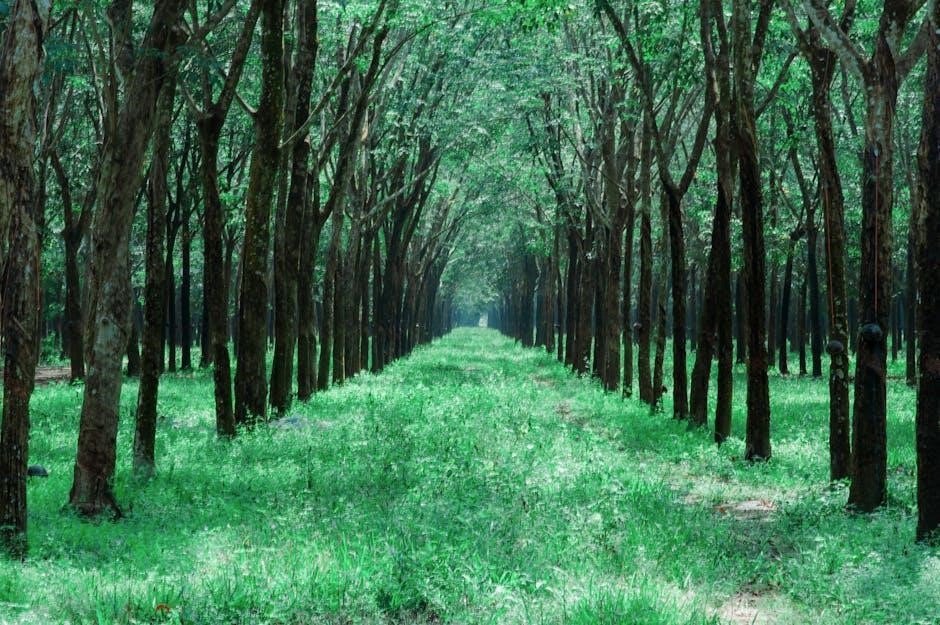
Zone 10a’s warm, humid climate fosters fungal and bacterial diseases. Prioritize air circulation by spacing plants adequately and pruning dense foliage. Employ crop rotation annually to disrupt disease cycles and prevent soilborne pathogens from building up. Select disease-resistant plant varieties whenever possible, reducing susceptibility.
Water plants at the base, avoiding wetting leaves, as moisture promotes fungal growth. Mulch around plants to prevent soil splash, which can spread pathogens. Regularly inspect plants for early signs of disease – remove and destroy infected leaves or plants immediately to prevent further spread.
Consider using organic fungicides, like copper sprays or neem oil, as preventative measures. Maintaining healthy soil through proper amendments also boosts plant immunity. Sanitation is key; disinfect tools between uses to avoid cross-contamination.
Extending the Growing Season
Utilize row covers and cold frames for frost protection, and implement succession planting techniques to ensure a continuous harvest throughout the year in Zone 10a!
Using Row Covers & Cold Frames
Row covers are invaluable tools for Zone 10a gardeners, offering protection against unexpected light frosts and extending the growing season for sensitive crops. These lightweight fabrics allow sunlight and water to penetrate while trapping heat, creating a microclimate favorable for plant growth. They are particularly useful for protecting young seedlings or extending the harvest of cool-season vegetables like lettuce and spinach.
Cold frames, constructed from materials like wood and glass or plastic, provide a more substantial level of protection. They act like mini-greenhouses, shielding plants from harsh weather conditions and allowing for earlier starts in the spring or later harvests in the fall. Cold frames are ideal for hardening off seedlings before transplanting them into the garden or for overwintering tender plants. Proper ventilation is crucial to prevent overheating on sunny days, ensuring optimal growing conditions within the frame.
Combining both techniques can significantly expand your gardening possibilities in Zone 10a, maximizing yields and enjoying fresh produce for a longer period.
Succession Planting Techniques
Succession planting is a cornerstone of continuous harvesting in Zone 10a’s frost-free climate. This technique involves staggering planting times for the same crop, ensuring a steady supply throughout the growing season. For example, sow lettuce seeds every two to three weeks for a continuous harvest, rather than planting all at once.
Intercropping, another valuable method, involves planting fast-growing crops between slower-maturing ones. Radishes can be sown amongst carrots, as they’ll be harvested before the carrots need the space. Utilizing the long growing season, consider planting a fall crop immediately after harvesting a summer one – beans following tomatoes, for instance.
Careful planning and record-keeping are essential for successful succession planting. By understanding the maturity dates of different crops and staggering planting times accordingly, Zone 10a gardeners can enjoy a bountiful and continuous harvest.
Write Reviews
Leave a Comment
No Comments & Reviews